Natural Ways to Reduce Joint Inflammation: What the Evidence Actually Shows

Quick Answer
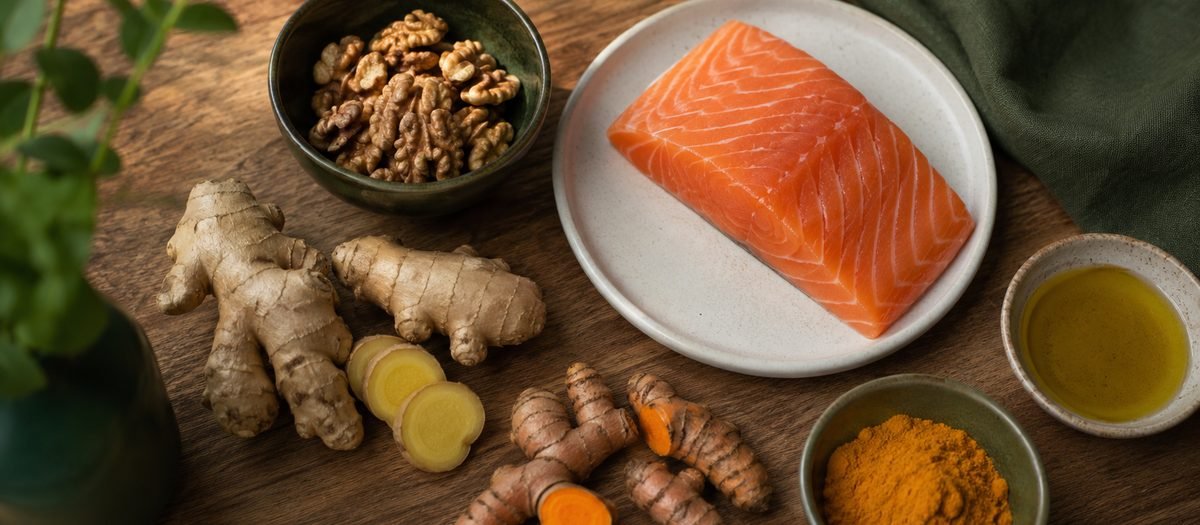
The natural approaches with the strongest evidence for reducing joint inflammation in adults over 50 are: omega-3 fatty acids (EPA/DHA, 2–4g/day), Boswellia serrata (150–200mg standardized for AKBA), curcumin with bioavailability enhancer (400–500mg with BioPerine), and low-impact aerobic exercise. Anti-inflammatory diet (Mediterranean pattern) shows consistent evidence across multiple joint outcomes. Cold therapy and some herbal approaches have weaker or more mixed evidence.
The natural joint health space is a mess of half-truths. "Anti-inflammatory turmeric latte" content sits alongside genuine clinical research, and it's nearly impossible for a non-specialist to tell them apart. After three years of reading primary research and consulting with rheumatologists, here is my honest assessment of what actually holds up.
Evidence Summary Table
Before the detail — here's the overview. I've graded each approach based on the quality and consistency of clinical evidence for joint inflammation specifically in adults over 50.
| Approach | Evidence level | Practical note |
|---|---|---|
| Omega-3 fatty acids (EPA/DHA) | Strong | 2–4g/day combined EPA+DHA; food or supplement |
| Boswellia serrata | Strong | 150–200mg/day; AKBA standardization matters |
| Curcumin + BioPerine | Moderate | 400–500mg with enhancer; food form insufficient |
| Low-impact aerobic exercise | Strong | 150 min/week; swimming, cycling, walking |
| Mediterranean diet pattern | Moderate | Consistent association; fewer RCTs for joint outcomes |
| Weight loss (if overweight) | Strong | 4kg load reduction per 1kg bodyweight lost on knee |
| Cold therapy (ice/cold packs) | Moderate | Reduces acute swelling; less evidence for chronic OA |
| Ginger (supplement form) | Moderate | Modest anti-inflammatory effect; useful as adjunct |
| Collagen peptides | Moderate | More evidence for cartilage support than inflammation |
| Celery seed extract | Limited | Popular in AU; limited clinical trial data |
| Glucosamine alone | Mixed | Dose-dependent; 1,500mg required; OA-subtype specific |
What Works (And Why)
1. Omega-3 Fatty Acids — The Most Consistent Evidence
Omega-3 fatty acids (EPA and DHA) reduce the production of prostaglandins — pro-inflammatory signalling molecules that play a central role in joint tissue inflammation. Multiple meta-analyzes have confirmed reduction in joint pain and morning stiffness, particularly for inflammatory joint conditions.
Practical dose: 2–4g combined EPA+DHA daily. Achievable through 3–4 servings per week of oily fish (salmon, sardines, mackerel, anchovies) or a quality fish oil supplement. The omega-3 in flaxseed (ALA) is poorly converted to EPA/DHA in humans — it's not an adequate substitute for marine sources.
2. Boswellia Serrata — Underrated and Well-Evidenced
Boswellia serrata (Indian frankincense) inhibits 5-LOX — an enzyme involved in producing leukotrienes, a different inflammatory pathway to the one targeted by NSAIDs. This is why Boswellia can be useful alongside conventional anti-inflammatories without duplicating their mechanism.
Practical dose: 150–200mg/day of an extract standardized to at least 65% AKBA (the active compound). Most poor-quality Boswellia supplements don't specify AKBA content — this is a key label indicator. Onset of effect is typically 4–8 weeks.
3. Curcumin — Real Evidence, With a Critical Caveat
Curcumin's anti-inflammatory mechanism is well-established — it inhibits NF-κB, a key regulator of inflammatory gene expression. Clinical trials have shown benefit for OA symptoms. The caveat: standard curcumin has extremely poor bioavailability. The studies showing benefit use curcumin with black pepper extract (BioPerine) or phospholipid complexes that increase absorption by 20–2000x. Cooking with turmeric or taking plain curcumin capsules without an enhancer is unlikely to reach therapeutic concentrations.
Practical dose: 400–500mg curcumin with a stated BioPerine or phospholipid complex. If the supplement doesn't specify an absorption enhancer, it's likely underdosing you regardless of the headline number.
4. Low-Impact Aerobic Exercise — The Most Underused Intervention
This is the intervention most supported by evidence that most people with joint pain avoid — because they assume movement will worsen pain. The opposite is usually true. Low-impact aerobic exercise reduces synovial inflammation, improves cartilage nutrition (cartilage has no direct blood supply; it gets nutrients through joint fluid movement), strengthens the muscles that support joint structures, and reduces systemic inflammatory markers.
What counts: Swimming, water aerobics, cycling, walking, and low-impact group exercise classes. Target: 150 minutes per week. Physiotherapy guidance is valuable for tailoring a program to your specific affected joints.
What Has Weaker Evidence
Cold Therapy
Cold packs and ice reduce acute inflammation by constricting blood vessels and reducing nerve conduction velocity — this is why they're effective for acute injuries and post-exercise swelling. For chronic OA, the evidence is less consistent. Cold therapy may reduce acute flare symptoms, but it doesn't address the underlying mechanisms of cartilage degradation or synovial inflammation.
Celery Seed Extract
Popular in Australia and the UK as a "natural joint remedy," celery seed extract contains compounds (3-n-butylphthalide and phthalides) with theoretical anti-inflammatory activity. Clinical trial evidence is limited — most studies are small and short-term. It's not harmful, but it doesn't have the evidence base to rank alongside omega-3 or Boswellia.
Looking for Supplement Support?
Patricia's top picks use ingredients from this evidence table at clinically researched doses.
See the Full Ranking →Frequently Asked Questions
Sources
- Senftleber NK, et al. (2017). Marine Oil Supplements for Arthritis Pain. Nutrients, 9(1), 42. PubMed
- Gupta SC, et al. (2013). Therapeutic roles of curcumin: lessons learned from clinical trials. AAPS J, 15(1), 195–218. PubMed
- Kimmatkar N, et al. (2003). Efficacy and tolerability of Boswellia serrata extract in knee OA. Phytomedicine, 10(1), 3–7. PubMed
- Arthritis Research UK. (2024). Physical activity and arthritis. versusarthritis.org
Related: 7 Signs Your Joints Need Support · Best Joint Supplements for Over 50